Eden Zimmermann · 24 October 2026
The Ripple Effects of Experiment-Based Curricula on Regional Sustainability Networks
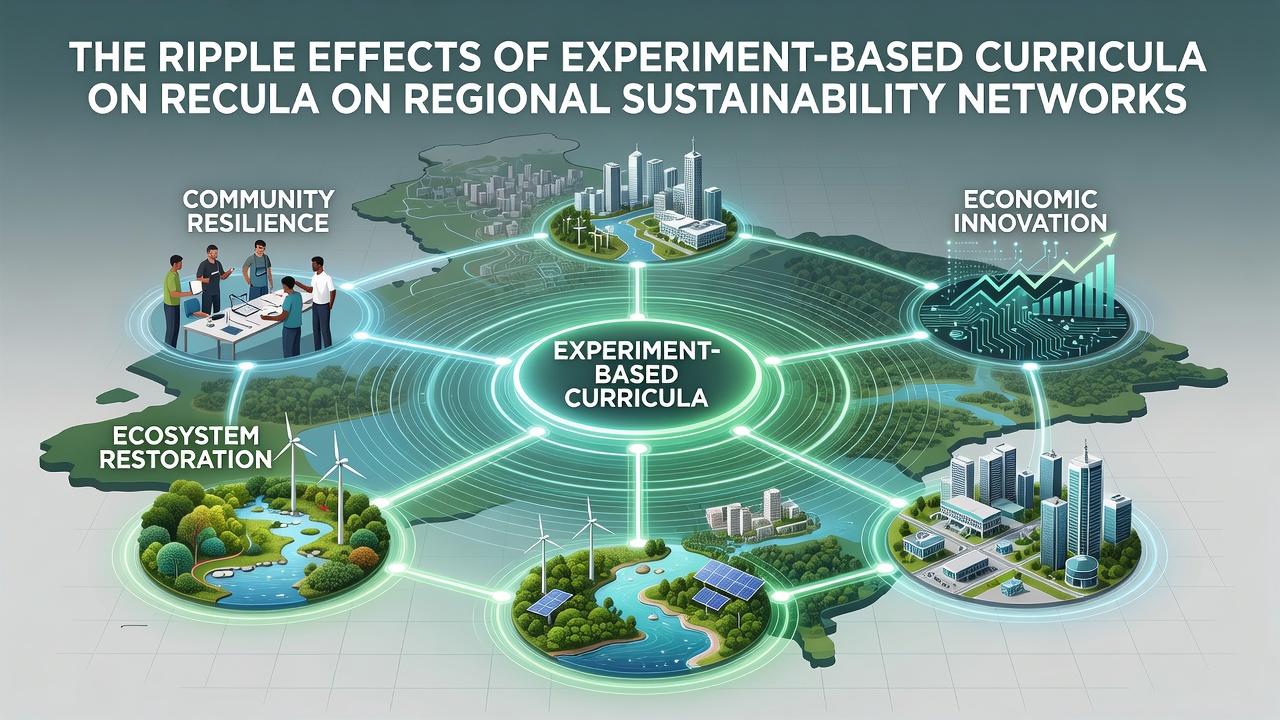
Experiment-based curricula integrate practical activities such as soil testing, water quality sampling, and renewable energy prototypes into standard classroom instruction, and these approaches connect directly to broader regional sustainability networks that link educational institutions with local governments, nonprofits, and industry partners. Data from multiple regions shows that schools adopting these methods often generate measurable outputs like student-led reports on biodiversity indicators or community energy audits, which then feed into existing environmental planning processes.
Core Components of Experiment-Based Curricula
Programs emphasize direct observation and data collection rather than textbook-only learning, so students in participating districts complete field measurements on topics including carbon sequestration in urban green spaces or waste reduction patterns in local supply chains. Research indicates that such structures require coordination between teachers and external experts, which creates initial links to regional networks. Figures from education ministries in several countries reveal that implementation rates rose steadily between 2022 and 2025, with participating schools reporting higher rates of cross-institutional collaboration.
Training modules for educators cover experimental design, statistical analysis, and communication of findings to non-academic audiences, while partnerships with research institutions supply equipment and protocols. Observers note that these elements together produce consistent streams of localized data that regional bodies can incorporate into policy documents without additional collection costs.
Network Formation and Information Flow
Regional sustainability networks expand when school-generated datasets enter public repositories or joint working groups, and this process often begins with simple sharing agreements between education departments and environmental agencies. In October 2026, updates to the European Environment Agency's open data platform incorporated several new feeds from secondary school monitoring projects, demonstrating how experimental outputs scale beyond individual classrooms. Those networks then distribute the information to stakeholders including municipal planners and agricultural cooperatives, creating feedback loops that refine both curricula and regional targets.
Case examples from North American districts show that student experiments on stormwater management informed updates to city drainage maps, and similar patterns appear in Australian programs where biodiversity surveys contributed to state-level conservation registers. The connections form through repeated exchanges rather than one-off events, so participating organizations develop shared vocabularies and data standards over time.
Measured Outcomes Across Regions
Quantitative assessments track indicators such as the number of joint projects initiated after curriculum adoption and the volume of data points transferred to network databases. Reports compiled by the Organisation for Economic Co-operation and Development indicate that regions with higher concentrations of experiment-based programs recorded increased participation in sustainability certification schemes between 2023 and 2026. These outcomes appear across urban and rural settings, although the specific network structures differ according to local governance models.
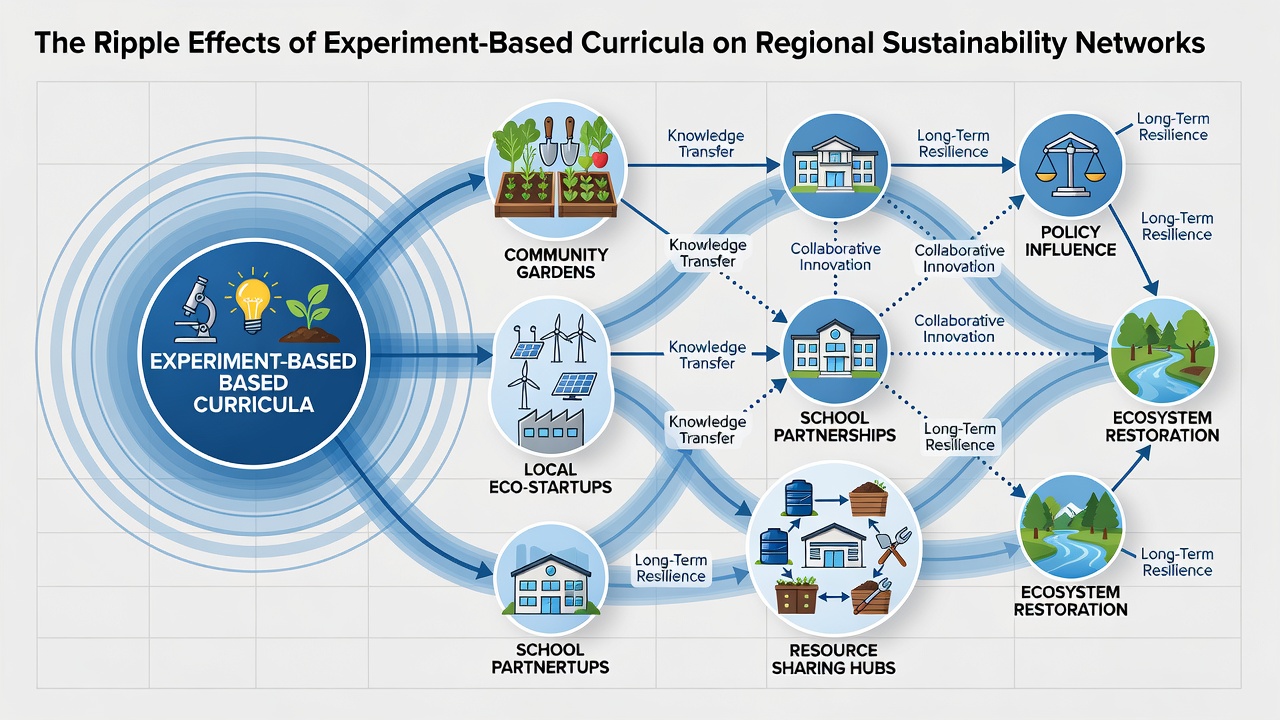
Additional data from Canadian provincial evaluations shows reductions in duplicated monitoring efforts once school networks began contributing validated measurements, freeing agency resources for larger-scale analysis. The patterns hold when controlling for baseline funding levels, suggesting that the curricula themselves drive some portion of the network efficiencies.
Challenges in Scaling and Integration
Alignment between school calendars and regional reporting deadlines can create timing mismatches, yet many networks address this through staggered data submission windows and digital platforms that accept continuous uploads. Resource disparities between districts also affect participation depth, with some areas relying on volunteer coordination while others secure dedicated staff positions. Studies from multiple jurisdictions document these variations without attributing them to single causes, instead highlighting combinations of policy support, teacher preparation, and existing civic infrastructure.
Standardization of experimental protocols remains an ongoing task, and working groups within the networks continue to refine calibration methods and quality controls. The resulting frameworks allow comparison across sites while preserving room for local adaptation, which keeps the system responsive to new environmental questions as they arise.
Conclusion
Experiment-based curricula generate streams of localized data and interpersonal connections that integrate into regional sustainability networks through repeated exchanges and shared platforms. Evidence accumulated through 2026 demonstrates consistent patterns of information transfer and collaborative project formation across different geographic and administrative contexts. These developments rest on observable coordination mechanisms rather than isolated initiatives, and they continue to evolve as participating organizations refine data standards and reporting cycles.